How to Build a Professional Digital Portfolio for Career Success in 2026
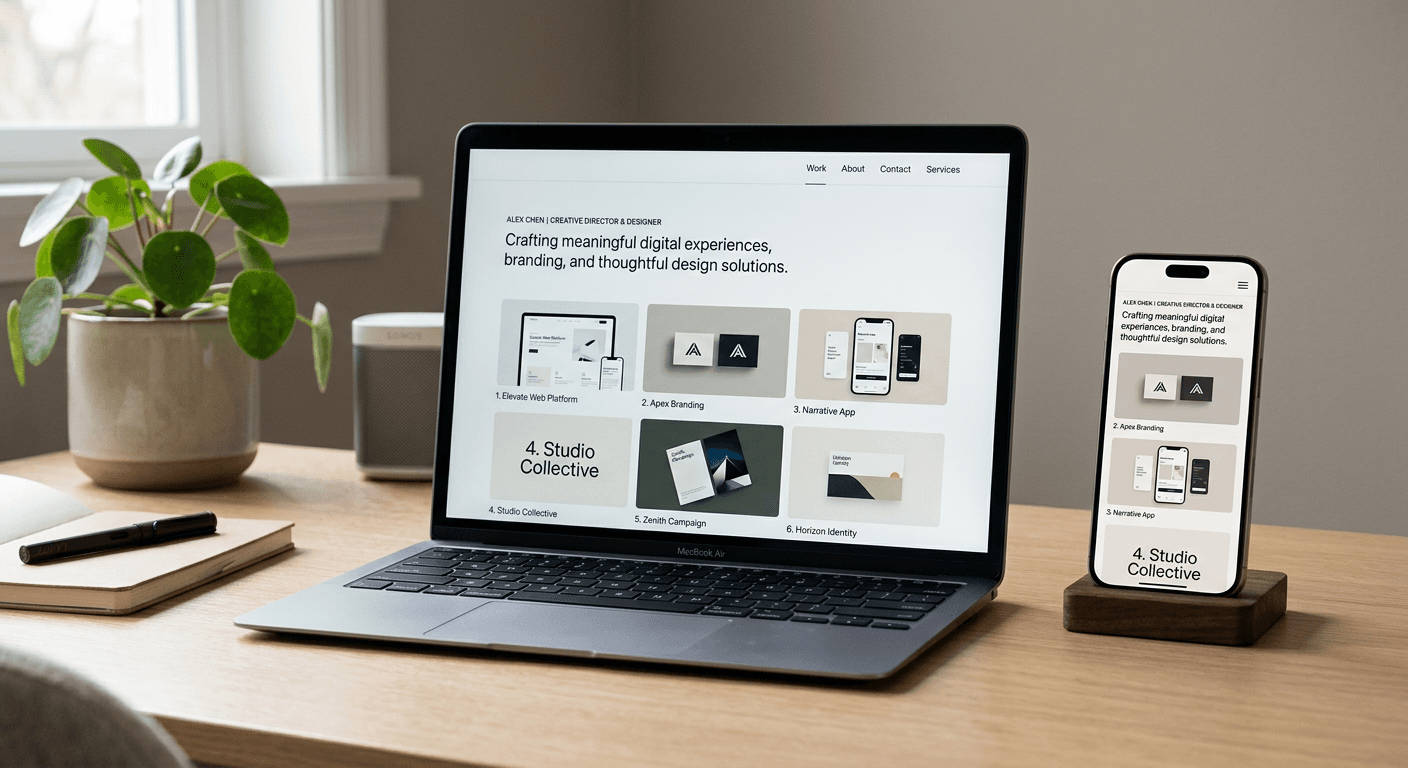
Developing a high-quality digital portfolio is a critical step for modern professionals looking to stand out in a competitive job market. Whether you are a creative, a strategist, or a specialist, your ability to demonstrate tangible results through a curated digital portfolio is often the deciding factor in securing an interview. By presenting your work in an organised, accessible format, you transform abstract achievements into concrete evidence of your professional value.

Quick Summary {#quick-summary}
A digital portfolio is a centralised online collection of professional work, case studies, and achievements designed to showcase your skills to potential employers or clients. It provides a visual and narrative overview of your capabilities, moving beyond the static limitations of a traditional CV to prove your expertise.
- Curate a selection of your most relevant and impactful projects.
- Structure case studies using the STAR (Situation, Task, Action, Result) method.
- Ensure your platform is mobile-responsive and easy to navigate.
- Include clear contact details and links to professional profiles.
Table of Contents {#table-of-contents}
- Selecting Your Best Work
- Structuring Effective Case Studies
- Choosing the Right Platform
- Refining Your Personal Brand
- Common Pitfalls and Troubleshooting
- FAQ
- Recommended Reads
Selecting Your Best Work {#selecting-your-best-work}
The foundation of a compelling digital portfolio is quality over quantity. Instead of showcasing every project you have ever completed, focus on a curated selection that highlights the specific skills you wish to be hired for. If you are targeting roles in digital marketing, for example, your portfolio should lead with successful campaigns rather than general graphic design tasks unless those design skills were integral to the campaign's success.
When evaluating which pieces to include, consider the "impact-to-effort" ratio. Prioritise projects that feature clear, measurable outcomes, such as increased engagement rates, successful lead generation, or improved brand sentiment. Including a variety of projects is useful, but ensure they all serve a singular narrative about who you are as a professional. Remove outdated work that no longer reflects your current capabilities or the standards of the industry in 2026.
Structuring Effective Case Studies {#structuring-effective-case-studies}
Simply showing a screenshot or a link to a finished project is rarely sufficient for a professional-grade portfolio. Employers want to understand your thought process and your role in achieving the outcome. For every key project, write a short, structured case study that outlines the problem you were tasked with solving and the specific actions you took to address it.
Use the STAR method as your framework for these case studies: start with the situation, explain the specific task required, detail the actions you took - focusing on your specific contribution - and finish with the measurable result. By presenting your work in this way, you allow potential employers to see how you solve problems, how you collaborate, and the logic you apply to your professional challenges.
Pro Tip: Keep your case study text concise; most hiring managers will scan the text for keywords and data points, so use bullet points for key achievements and highlight metrics in bold.
Choosing the Right Platform {#choosing-the-right-platform}
Selecting the right hosting environment depends on your technical comfort and the complexity of your work. You can utilise a dedicated HeyLink.me page to consolidate your disparate links into a single, clean landing page, which acts as a powerful digital business card. This is particularly effective for those who maintain an active presence across multiple social media platforms and need a unified hub to direct recruiters.
For more visual or text-heavy portfolios, you might consider website builders that offer pre-made templates. The priority should be usability. If a recruiter has to click more than three times to find your main project or your contact details, the site structure is too complex. Ensure the platform you choose is mobile-responsive, as many hiring managers will review your profile on a tablet or smartphone during the initial screening process.
Refining Your Personal Brand {#refining-your-personal-brand}
Your portfolio is an extension of your personal brand. Consistency in tone, colour palette, and typography is essential. A chaotic or poorly formatted portfolio suggests a lack of attention to detail, which can be detrimental in roles that require organisation or precision. Your "About Me" section should be professional yet personable, providing context for the work displayed and indicating what you are looking for in your next role.
Regular maintenance is equally important. Set a reminder every quarter to review your portfolio. Update your contact information, remove projects that are no longer relevant, and ensure that all links are still functional. A broken link is a common, avoidable mistake that reflects poorly on your commitment to the presentation of your work.
Common Pitfalls and Troubleshooting {#common-pitfalls-and-troubleshooting}
One of the most frequent errors is including password-protected content without providing the necessary credentials or clear instructions on how to request access. If you must use a password, ensure the prompt is intuitive. Another common issue is failing to optimise for speed; large, uncompressed image files will slow down your site, causing visitors to abandon the page before they even see your work.
Finally, avoid being overly vague with your results. If you claim to have improved a metric, quantify that improvement. Instead of saying "I increased social media traffic", say "I increased organic social media traffic by 25% over a six-month period through targeted content refinement". If you find yourself struggling to articulate your contributions, refer back to your original project brief or performance reports to extract those data points.
FAQ {#faq}
Should I include a physical resume in my digital portfolio?
Yes, always provide a link to a downloadable PDF version of your CV. This allows recruiters to save your profile for offline review or to share it easily within their internal hiring systems.
How many projects should I include?
Aim for 4 to 6 strong, varied projects. This is usually enough to demonstrate your range and depth without overwhelming the visitor with too much content.
Is it necessary to have a custom domain name?
It is not strictly necessary, but it looks more professional. If you are a freelancer or looking for high-level roles, a custom domain can signal a higher level of dedication to your professional identity.
How do I showcase social media work if the posts are no longer live?
Use screenshots, archive links, or create a "mock" deck in a presentation tool. Focus on the strategy and the creative output rather than just the live link.