How to Build a Profitable Digital Business in 2026: A Step-by-Step Guide
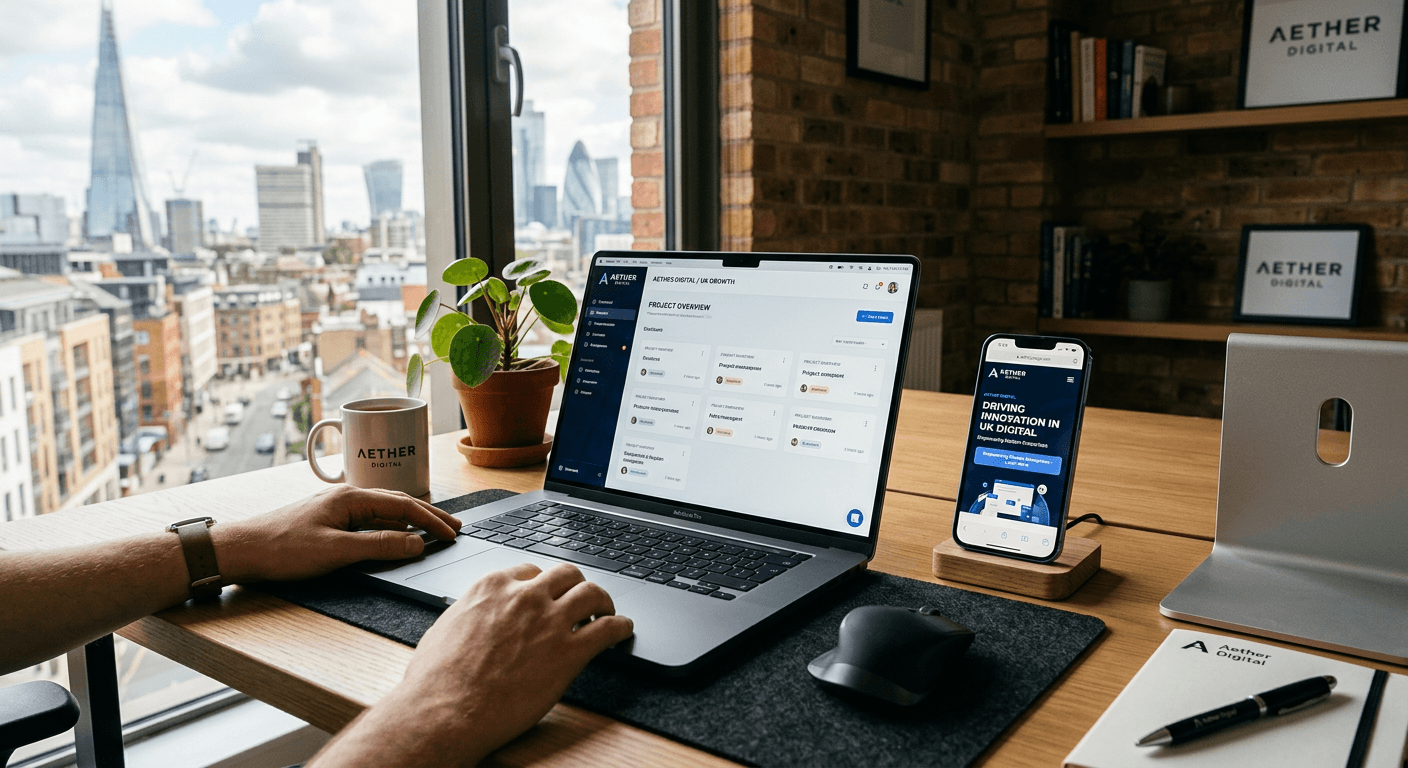
Building a sustainable digital business requires more than just a website; it demands a strategic approach to value creation, audience engagement, and scalable processes. As the barrier to entry lowers, the quality of execution becomes the primary differentiator for UK entrepreneurs looking to launch a digital business that thrives in a competitive 2026 marketplace. By focusing on solving specific pain points and leveraging modern digital infrastructure, you can transition from an idea to a revenue-generating enterprise with agility and precision.
Quick Summary {#quick-summary}
A digital business is a commercial entity that leverages technology to provide value, distribute products, or offer services online. Success depends on selecting a viable niche, establishing a professional digital presence, and implementing robust marketing strategies to attract and retain a loyal customer base.
- Identify a specific problem to solve in your chosen market.
- Build a professional landing page to consolidate your online assets.
- Utilise data-driven digital marketing to scale your reach.
- Prioritise audience engagement through consistent, high-value content.
Table of Contents {#table-of-contents}
- What is Digital Business
- Identifying Lucrative Online Business Ideas
- Building Your Professional Digital Foundation
- Executing a Successful Digital Marketing Business
- Common Pitfalls and Troubleshooting
- FAQ
- Recommended Reads

What is Digital Business {#what-is-digital-business}
At its core, a digital business is any organisation that relies on digital technologies to create new value, drive revenue, and interact with customers. Unlike traditional brick-and-mortar models, digital enterprises operate with lower overheads and higher scalability. They often revolve around intangible products like software, digital content, consulting services, or e-commerce platforms that bypass the limitations of physical geography.
To understand what is digital business in the modern context, one must view it as an ecosystem of interconnected tools. It is not merely about having a social media profile; it is about creating a cohesive journey that leads a prospect from discovery to conversion. Whether you are a freelancer offering specialist skills or a shop owner selling physical goods, the digital aspect serves as the bridge between your expertise and the global marketplace.
Identifying Lucrative Online Business Ideas {#identifying-lucrative-online-business-ideas}
The search for the best online business starts with the intersection of market demand and your personal expertise. A common mistake is to chase trends without considering long-term viability. Instead, focus on persistent human needs: health, wealth, relationships, or productivity. The most successful ventures often refine an existing service by adding a layer of convenience or specialised knowledge that current market leaders overlook.
When evaluating potential opportunities, conduct a "competitive gap analysis." Look at the current leaders in a sector and identify where they fail to provide personalised support or where their user experience is cumbersome. If you can provide a more streamlined solution - perhaps through professional branded landing pages that help users navigate complex offerings - you have discovered a viable path to market entry.
Building Your Professional Digital Foundation {#building-your-professional-digital-foundation}
Your digital footprint is your virtual shopfront. In the UK market, professionalism is paramount; clients and customers expect a seamless, secure, and intuitive experience. This foundation should be designed to reduce friction in the buying process. Your primary goal is to consolidate your various online touchpoints - such as your social media profiles, portfolio, booking systems, or shop - into a unified experience.
- Define your brand identity: Ensure consistent messaging, colour schemes, and tone across all platforms.
- Centralise your links: Use a tool to manage your digital business card and link-in-bio infrastructure so that your audience can find your key services immediately.
- Implement tracking: You cannot improve what you cannot measure. Set up basic analytics to monitor which sources drive the most traffic and which call-to-action buttons perform best.
- Prioritise security: Ensure all payment gateways and personal data collection methods comply with UK GDPR standards.
Pro Tip: Never rely solely on a third-party social media platform to host your business. Always maintain an owned digital space where you control the messaging and can build an email list, which remains your most valuable asset during algorithm changes.
Executing a Successful Digital Marketing Business {#executing-a-successful-digital-marketing-business}
If your goal is to launch a digital marketing business, your product is the ROI you deliver to your clients. This industry is highly competitive, meaning your internal processes must be highly efficient. Specialisation is your best friend here; rather than being a "generalist marketer," focus on a specific niche - such as SEO for local UK tradespeople or paid social strategy for e-commerce brands.
Success in this sector is built on clear reporting and accountability. By providing clients with transparent data - showcasing how your efforts directly relate to their bottom line - you turn a service into an essential business partnership. Focus on customer retention, as the cost of acquiring a new client in the agency space is significantly higher than maintaining a long-term contract.
Common Pitfalls and Troubleshooting {#common-pitfalls-and-troubleshooting}
Many entrepreneurs fail because they try to be everything to everyone. This lack of focus leads to diluted branding and stagnant growth. If you find your conversion rates are low, audit your user journey. Are there too many steps between the initial click and the final purchase? If so, streamline the process to ensure the path to conversion is as direct as possible.
Another frequent error is ignoring the technical health of your digital presence. Broken links, slow load times, or mobile-unresponsive designs will lose you money immediately. Periodically test your own funnel on different devices and browsers to ensure the experience is as professional as your brand claims to be. Remember that in the digital world, your reputation is defined by the efficiency of your technology.
FAQ {#faq}
How much capital do I need to start a digital business? It varies, but many businesses can start for less than £100 by focusing on lean operations and using affordable digital tools for hosting and landing pages rather than bespoke development.
Do I need a formal business entity in the UK? Yes, once you start trading, you typically need to register as a sole trader or limited company with HMRC to handle your taxes correctly.
How can I tell if my online business idea will succeed? Validate your idea by creating a "minimum viable product" (MVP). See if people are willing to pay for your service or product before investing heavily in full-scale development.
Is it necessary to have a large social media following? Not necessarily. A smaller, highly targeted audience that converts is significantly more profitable than a large, disinterested following.